Mutual Foodborne Pathogens
The U.South. Public Health Service has identified the following microorganisms as being the biggest culprits of foodborne illness, either because of the severity of the sickness or the number of cases of illness they cause. Beware of these pathogens: Fight BAC!®
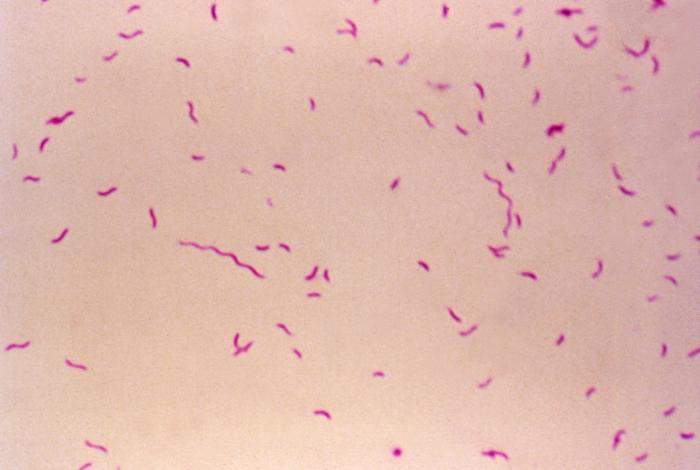
Campylobacter is the second near common bacterial cause of diarrhea in the The states.
Sources of Campylobacter: raw and undercooked poultry and other meat, raw milk and untreated h2o.
Clostridium botulinum produces a toxin which causes botulism, a life-threatening illness that tin can prevent the breathing muscles from moving air in and out of the lungs.
Sources of Clostridium botulinum: improperly prepared home-canned foods; honey should not be fed to children less than 12 months old.
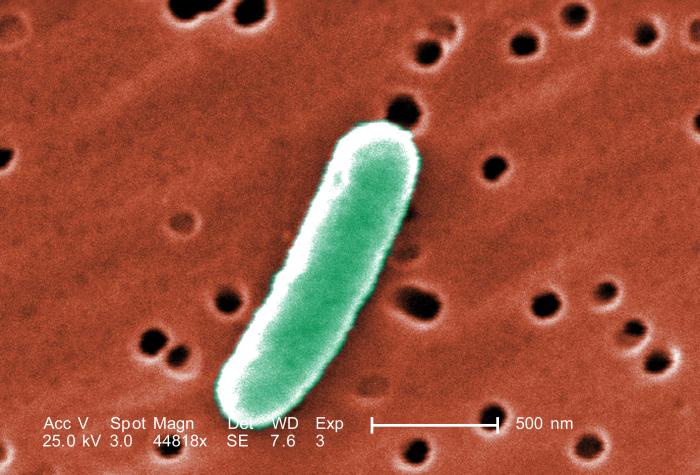
E. coli O157:H6 is a bacterium that can produce a deadly toxin and causes approximately 73,000 cases of foodborne illness each year in the U.S.
Sources of East. coli O157:H7: beefiness, specially undercooked or raw hamburger; produce; raw milk; and unpasteurized juices and ciders.
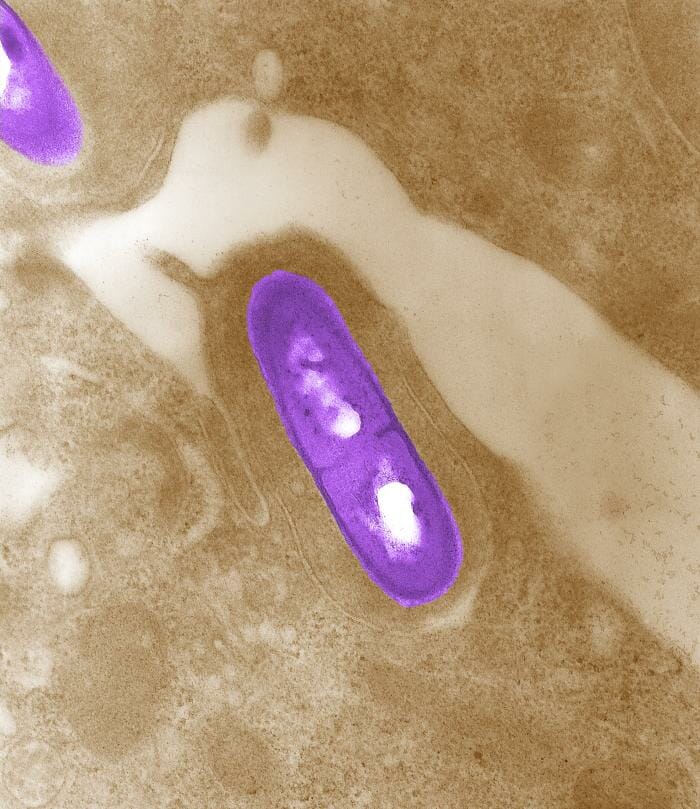
Listeria monocytogenes causes listeriosis, a serious affliction for meaning women, newborns, and adults with a weakened immune arrangement.
Sources of Listeria monocytogenes: unpasteurized dairy products, including soft cheeses; sliced deli meats; smoked fish; hot dogs; pate'; and deli-prepared salads (i.e. egg, ham, seafood, and chicken salads).
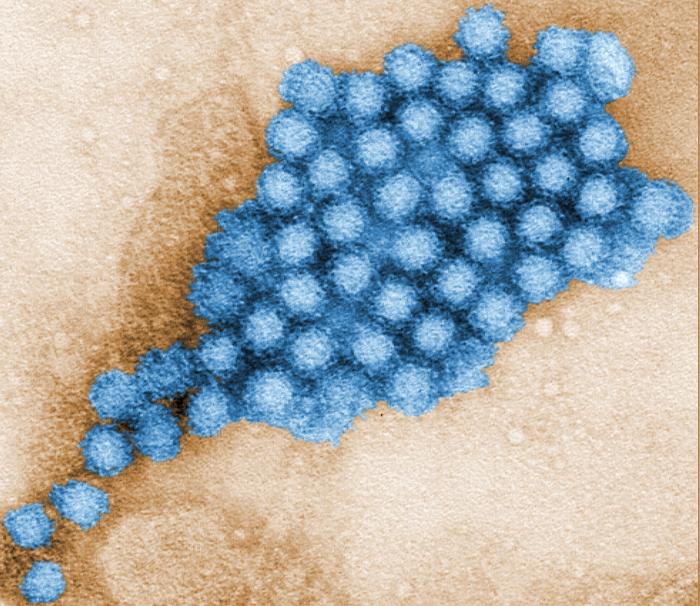
Norovirus is the leading viral cause of diarrhea in the United States. Poor hygiene causes Norovirus to be easily passed from person to person and from infected individuals to nutrient items.
Sources of Norovirus: Any food contaminated by someone who is infected with this virus.
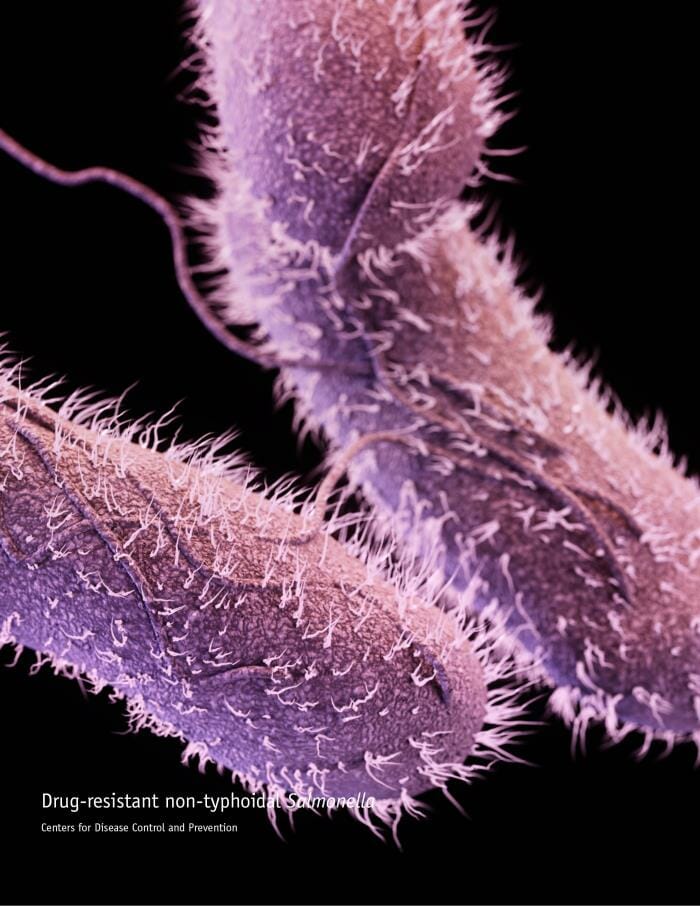
Salmonella is the most mutual bacterial crusade of diarrhea in the United States, and the virtually common cause of foodborne deaths. Responsible for 1.4 million cases of foodborne affliction a yr.
Sources of Salmonella: raw and undercooked eggs, undercooked poultry and meat, fresh fruits and vegetables, and unpasteurized dairy products.
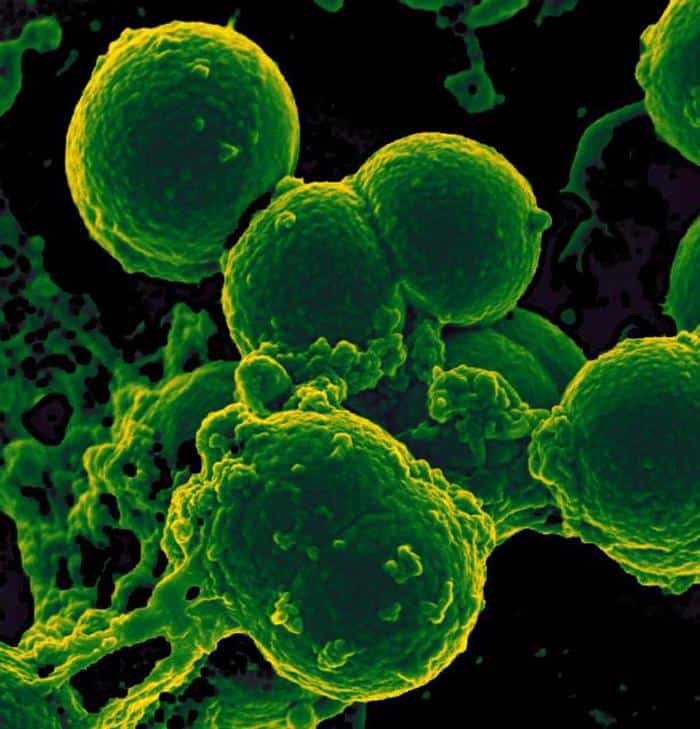
Staphylococcus aureus is a bacterium that produces a toxin that causes airsickness shortly later on being ingested.
Sources of Staphylococcus aureus: cooked foods high in protein (e.g. cooked ham, salads, baker products, dairy products) that are held too long at room temperature.
Shigella causes an estimated 448,000 cases of diarrhea illnesses per year. Poor hygiene causes Shigella to be easily passed from person to person and from infected individuals to food items.
Sources of Shigella: salads, unclean water, and any food handled by someone who is infected with the bacterium.
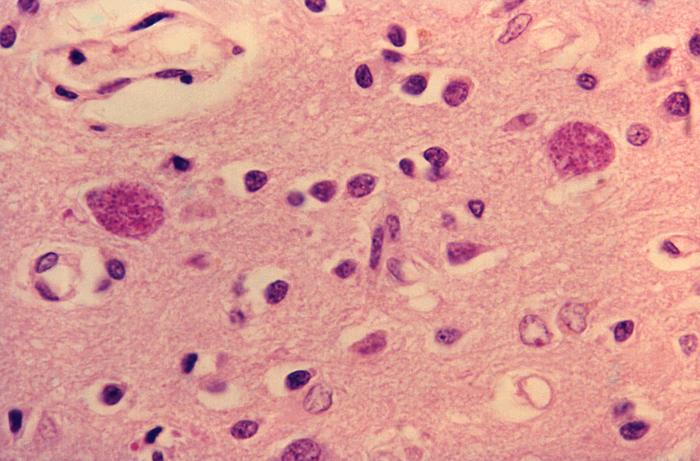
Toxoplasma gondii is a parasite that causes toxoplasmosis, a very severe disease that can produce central nervous organization disorders particularly mental retardation and visual impairment in children. Pregnant women and people with weakened immune systems are at higher chance.
Sources of Toxoplasma gondii: raw or undercooked pork.
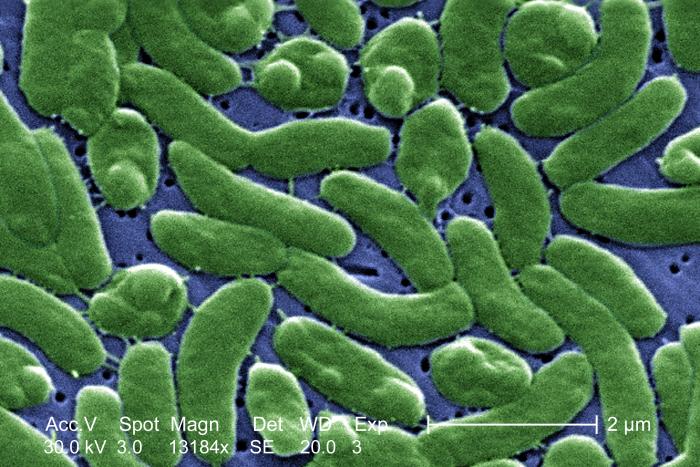
Vibrio vulnificus causes gastroenteritis, wound infection, and severe bloodstream infections. People with liver diseases are peculiarly at high risk.
Sources of Vibrio vulnificus: raw or undercooked seafood, particularly shellfish.
Campylobacter is the second well-nigh common bacterial cause of diarrhea in the The states.
Sources of Campylobacter: raw and undercooked poultry and other meat, raw milk and untreated water.
Clostridium botulinum produces a toxin which causes botulism, a life-threatening illness that tin can forbid the breathing muscles from moving air in and out of the lungs.
Sources of Clostridium botulinum: improperly prepared dwelling-canned foods; honey should non be fed to children less than 12 months old.
E. coli O157:H6 is a bacterium that can produce a deadly toxin and causes approximately 73,000 cases of foodborne disease each year in the U.S.
Sources of E. coli O157:H7: beef, especially undercooked or raw hamburger; produce; raw milk; and unpasteurized juices and ciders.
Listeria monocytogenes causes listeriosis, a serious affliction for pregnant women, newborns, and adults with a weakened immune system.
Sources of Listeria monocytogenes: unpasteurized dairy products, including soft cheeses; sliced deli meats; smoked fish; hot dogs; pate'; and cafeteria-prepared salads (i.due east. egg, ham, seafood, and chicken salads).
Norovirus is the leading viral crusade of diarrhea in the United States. Poor hygiene causes Norovirus to be easily passed from person to person and from infected individuals to food items.
Sources of Norovirus: Whatever food contaminated by someone who is infected with this virus.
Salmonella is the near mutual bacterial crusade of diarrhea in the United States, and the well-nigh common crusade of foodborne deaths. Responsible for 1.4 million cases of foodborne disease a yr.
Sources of Salmonella: raw and undercooked eggs, undercooked poultry and meat, fresh fruits and vegetables, and unpasteurized dairy products.
Staphylococcus aureus is a bacterium that produces a toxin that causes vomiting shortly after being ingested.
Sources of Staphylococcus aureus: cooked foods high in protein (e.1000. cooked ham, salads, bakery products, dairy products) that are held as well long at room temperature.
Shigella causes an estimated 448,000 cases of diarrhea illnesses per year. Poor hygiene causes Shigella to be easily passed from person to person and from infected individuals to nutrient items.
Sources of Shigella: salads, unclean h2o, and any nutrient handled by someone who is infected with the bacterium.
Toxoplasma gondii is a parasite that causes toxoplasmosis, a very severe disease that tin produce central nervous organization disorders specially mental retardation and visual impairment in children. Pregnant women and people with weakened immune systems are at higher risk.
Sources of Toxoplasma gondii: raw or undercooked pork.
Vibrio vulnificus causes gastroenteritis, wound infection, and severe bloodstream infections. People with liver diseases are especially at high risk.
Sources of Vibrio vulnificus: raw or undercooked seafood, particularly shellfish.
burtvidn1976.blogspot.com
Source: https://www.fightbac.org/food-poisoning/foodborne-pathogens/
0 Response to "The Foodborne Pathogen That Is Most Commonly Linked With Undercooked Ground Beef Is"
Post a Comment